DRY SCALP AND WHITE FLAKES: CAUSES, TREATMENTS AND PREVENTION TIPS

This article has been reviewed and fact-checked by Dr. Mahmoud Senara, a certified pharmacist specialising in skincare and haircare, helping to ensure the health and haircare information is medically accurate and reliable.
Summary
White flakes can result from a dry scalp or dandruff, and understanding the difference can help you choose the right hair-care approach. This article explains the causes of scalp dryness and flaking, how to care for a flaky scalp, and how ingredients such as Piroctone Olamine support dandruff care. It also explores a minimal-ingredient approach with Head & Shoulders BARE Soothing Hydration Shampoo.
Introduction
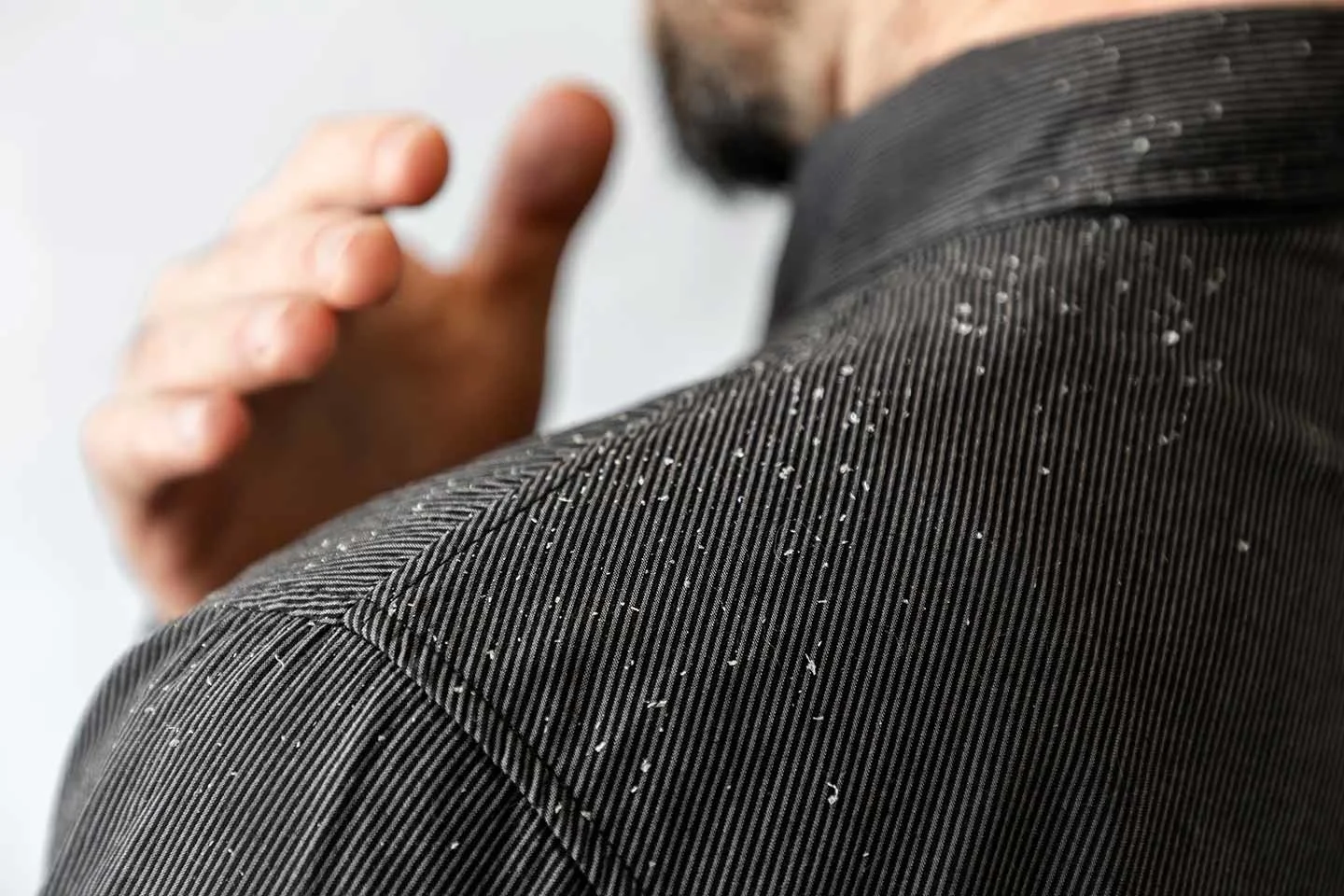
White flakes on your hair or clothing can be frustrating, especially when you are unsure whether they come from a dry scalp or dandruff. Although both can cause visible flaking, they have different causes and may require different approaches to scalp care.
A dry scalp is often linked to reduced moisture, while dandruff involves other scalp factors, including dandruff-associated microorganisms. Your environment, cleansing routine, and the products you use can also affect how your scalp feels. In Saudi Arabia, hot and humid weather can influence scalp comfort, while wearing a hijab can also create additional warmth and humidity around the scalp. Choosing a simple, well-formulated shampoo can help keep your routine focused.
What Causes a Dry and Flaky Scalp?
A dry scalp develops when the scalp does not retain enough moisture. This can leave the skin feeling tight, uncomfortable, or rough, with small white flakes appearing as the scalp sheds surface skin.
Several factors can contribute to scalp dryness:
Low moisture: The scalp can become dry when it loses moisture faster than it can retain it.
Cleansing habits: Washing too frequently or using a cleanser that feels too harsh can leave the scalp feeling stripped.
Environmental conditions: Heat, humidity, air conditioning, and changes in the surrounding environment can affect scalp comfort.
Hair products: Styling products and heavy formulas can contribute to buildup if they do not rinse away thoroughly.
Natural scalp differences: Some people naturally have a drier scalp, while others produce more sebum.
Hair Fact
Your scalp naturally produces sebum, an oily substance that helps protect and lubricate the skin. However, sebum does not provide the same function as water-based moisture, so an oily scalp can still experience dryness or discomfort.
Dry Scalp vs. Dandruff: What Is the Difference?
A dry scalp and dandruff can both cause visible flakes, but they are not the same. Dry scalp is mainly associated with a lack of moisture, while dandruff involves factors such as excess oil, scalp cell turnover, and dandruff-associated microorganisms. Looking at the differences can help you choose a more suitable scalp-care routine.
Dry Scalp | Dandruff |
Mainly linked to reduced moisture in the scalp | Associated with scalp oil, skin-cell turnover, and dandruff-associated microorganisms |
Often causes small, fine white flakes | Can cause more noticeable white or yellowish flakes |
The scalp may feel tight, dry, or uncomfortable | May be accompanied by itching and visible scaling |
Can be influenced by environmental conditions and cleansing habits | Can be influenced by scalp oil and the activity of dandruff-associated microorganisms |
Focuses on maintaining scalp moisture and gentle cleansing | Requires targeted anti-dandruff care |
Home Remedies for Flakes: Not a Long-Term Solution
Many people start with tea tree oil or natural oils such as coconut or jojoba oil. This is an understandable first step. However, home remedies may not provide a long-term solution. Oils can build up on the scalp if they are not rinsed out thoroughly, and this buildup can make flakes appear more noticeable. Tea tree oil also requires careful dilution, as it can irritate sensitive skin.
A minimal-ingredient shampoo follows a clean philosophy in a tested, ready-to-use format. It helps keep your routine simple while providing a formula designed for regular use.
Key Takeaways
Tea tree oil and natural oils can be part of a home-care routine, but they may not offer a long-term solution for flakes.
Inadequately rinsed oils can leave buildup on the scalp, making flakes appear more noticeable.
A minimal-ingredient shampoo provides a simple, ready-to-use alternative for regular scalp care.
How Does Head & Shoulders BARE Support a Flaky, Dry Scalp?
Head & Shoulders BARE Soothing Hydration Shampoo offers minimal ingredients for maximum dandruff protection. It is made with just 9 ingredients and contains 0% sulfates, silicones, and dyes* (*except for carried over additives).
Our shampoo provides clinically proven dandruff protection and is dermatologically tested; it is designed for dry hair and scalp. As a gentle shampoo, it cleans and hydrates the scalp and hair for a refreshing feeling and vibrant look, using minimal ingredients for maximum efficiency.
Our formula contains water, plant-based moisturizer, citric acid, anti-dandruff agent, orchid and aloe scent, plant oil-derived cleanser, and freshness protector.
Key Takeaways
Head & Shoulders BARE formula uses just 9 ingredients and 0% sulfates, silicones, and dyes*.
It offers clinically proven dandruff protection.
Piroctone Olamine is the active that targets dandruff.
Ingredient Explanation
Piroctone Olamine is an anti-dandruff active that helps target the microorganisms associated with dandruff. In simple terms, it helps the shampoo address a factor linked to dandruff rather than simply washing away flakes that are already visible.
How Can You Prevent White Flakes?
Prevention relies on steady habits:
Wash your hair regularly, especially after heavy sweating.
Rinse thoroughly so no shampoo or oil remains.
Apply oils sparingly and avoid layering many products.
Wash hats and pillowcases often.
Stay consistent with your routine, because results build over time.
Hair Tip
Rinse your scalp thoroughly after shampooing, particularly around the hairline and behind the ears. Remaining product residue can leave the scalp feeling uncomfortable and may contribute to build up over time.
Conclusion
White flakes can result from dryness, dandruff, or a combination of scalp factors. Understanding the difference helps you choose a more suitable routine instead of relying on appearance alone. A simple approach can also make scalp care easier to maintain. Head & Shoulders BARE Soothing Hydration Shampoo combines a 9-ingredient formula with an anti-dandruff active and hydration for dry hair and scalp, offering a straightforward option for those who prefer minimal-ingredient care.
Frequently Asked Questions
1. What should I do about a dry and flaky scalp?
Start by confirming the cause. Small, white flakes with tight skin suggest dryness. Larger flakes with oiliness suggest dandruff. Use a gentle cleanser and avoid very hot water. Head & Shoulders BARE Soothing Hydration Shampoo cleans and hydrates the scalp while it provides dandruff protection. Results also depend on the severity of the dandruff and on consistent use.
2. What is the best shampoo for dry scalp?
Look for a shampoo that cleans gently and hydrates without heavy additives. Head & Shoulders BARE Soothing Hydration is made with just 9 ingredients and contains 0% sulfates, silicones, and dyes* (*except for carried over additives). It is designed for dry hair and scalp and delivers a refreshing, hydrating cleanse.
3. Which treatments work best for dandruff versus dry scalp, and are there side effects to watch for?
Dry scalp responds to gentle cleansing and moisturizing care. Dandruff needs an anti-dandruff active. Head & Shoulders BARE Soothing Hydration offers minimal ingredients for maximum dandruff protection. It contains 0% sulfates, silicones, and dyes* (*except for carried over additives), and our shampoo provides clinically proven dandruff protection.
. In some cases, a sensitive scalp can react to any product with redness or burning. If this happens, stop using and consult a healthcare professional. Results also depend on the severity of the dandruff and on consistent use.
4. Is dry scalp the same as dandruff, and what causes each?
No. Dry scalp comes from a lack of moisture, often due to harsh cleansers, hot water, or dry air. Dandruff involves the Malassezia fungus and an irritated scalp that sheds skin cells faster than normal.
5. How do I choose a shampoo for a dry, flaky scalp that might be dandruff?
Choose a formula that combines gentle cleansing with a proven anti-dandruff active. Check the ingredient list for simplicity. Head & Shoulders BARE Soothing Hydration contains Piroctone Olamine as its anti-dandruff active and a plant-derived cleanser. Allow time for results, since severity and consistent use both matter.